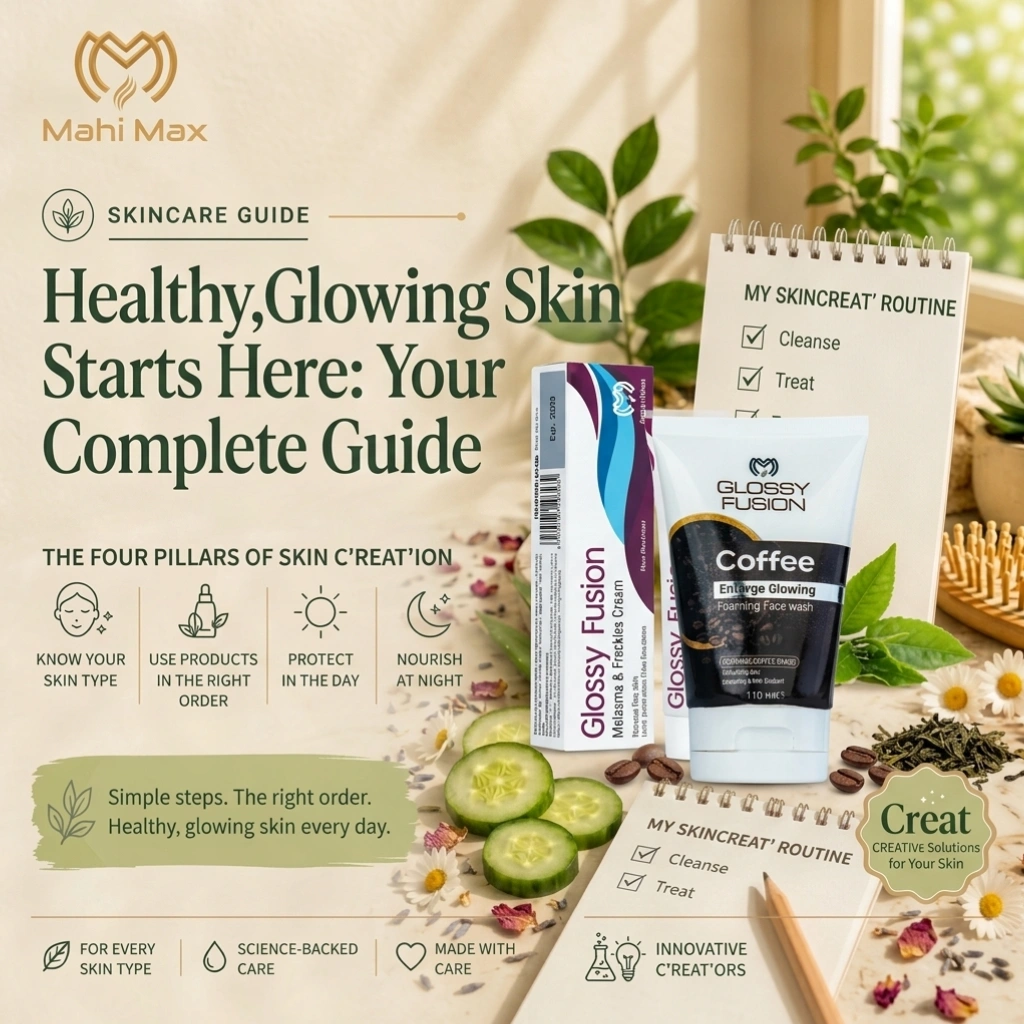
Your skin does more than affect how your face looks. It also acts as a protective layer between your body and the outside environment. One of the most important parts of this protection is the skin barrier, the outermost layer of the skin.
When this barrier is working well, skin is better able to hold on to moisture and protect itself from everyday environmental stress. When it becomes damaged or irritated, you may notice dryness, roughness, sensitivity, flaking, or stinging.
Understanding the skin barrier can make skincare much simpler. Instead of constantly adding new products, you can focus on gentle cleansing, regular moisturizing, sun protection, and habits that help keep the skin comfortable.
What Is the Skin Barrier?
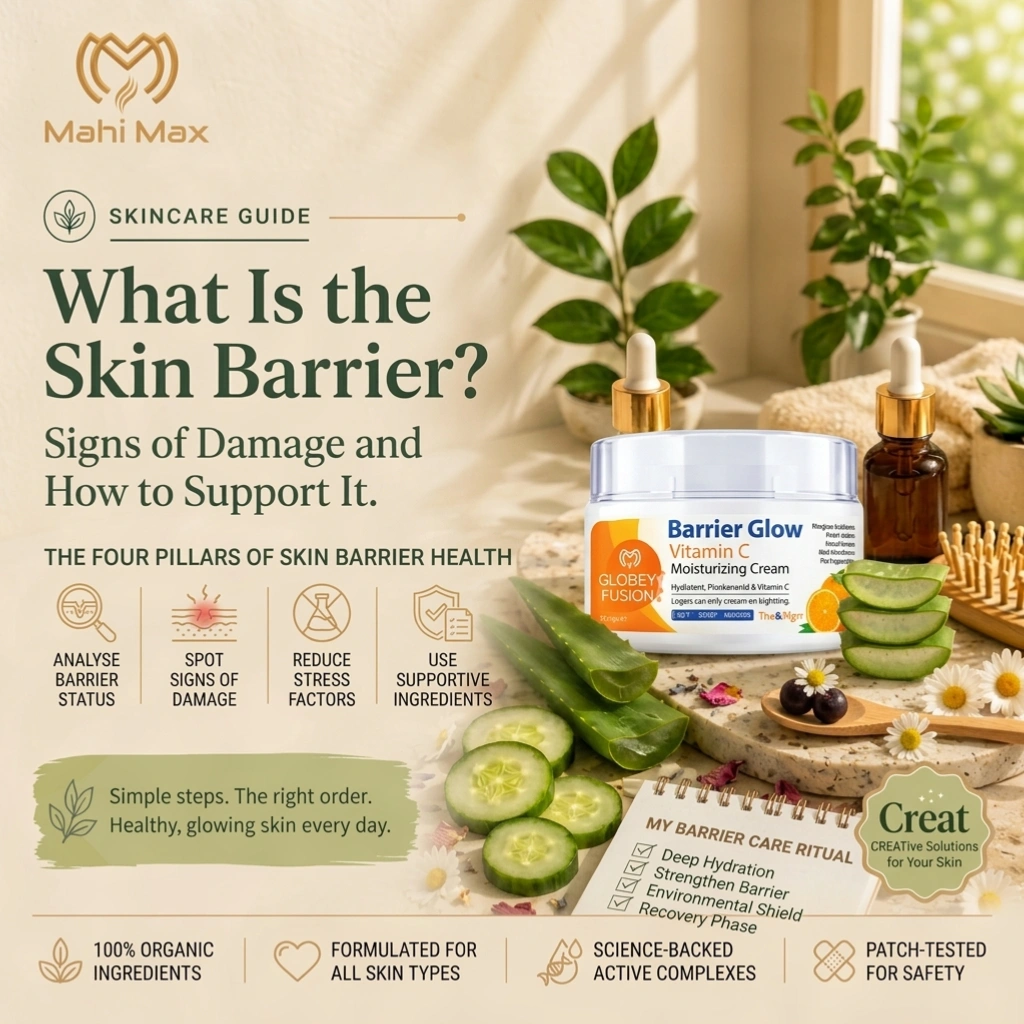
The skin barrier is the outermost protective layer of your skin. It is part of the stratum corneum and contains skin cells, lipids, proteins, and other components that help protect the layers underneath.
A simple way to picture it is like a protective wall. The skin cells form much of the structure, while natural fats such as ceramides, cholesterol, and fatty acids help fill the spaces between them.
One of its important functions is helping keep water in the skin while limiting the entry of unwanted substances from the environment. Cleveland Clinic describes the skin barrier as an important protective layer that helps keep water in and harmful substances out.
This is why skin barrier care is closely connected with hydration. If the barrier is not functioning properly, skin can lose moisture more easily and may become increasingly dry or uncomfortable.
Why Does the Skin Barrier Matter?
A healthy skin barrier helps the skin maintain its normal moisture balance and provides protection against external factors.
When the barrier is weakened, everyday skincare products may suddenly feel uncomfortable. A product that previously felt fine might cause burning or stinging. Your skin may also feel tight shortly after washing.
This does not automatically mean that every irritation is caused by barrier damage. Conditions such as eczema, psoriasis, rosacea, and acne can also affect the skin and may require specific treatment.
The important point is to pay attention to changes in how your skin looks and feels rather than assuming that you simply need more products.
What Are the Signs of a Damaged Skin Barrier?
A damaged skin barrier can show up in several different ways. Some signs are easy to notice, while others may appear gradually.
Common signs include:
- Dry or flaky skin
- Rough texture
- Tightness after cleansing
- Increased sensitivity
- Redness or irritation
- Itching
- Burning or stinging when products are applied
- Areas that feel unusually tender
- Skin that becomes dry very quickly after moisturizing
Cleveland Clinic lists dryness, scaling, inflammation, irritation, itching, rough patches, stinging, and sensitivity among possible signs of a damaged skin barrier.
If your skin suddenly starts reacting to products that you have used comfortably before, it can be useful to simplify your routine rather than immediately adding another active ingredient.
What Can Damage the Skin Barrier?
The skin barrier can be affected by both environmental conditions and everyday skincare habits.
Over-Cleansing
Washing your face too frequently or using a cleanser that is too harsh for your skin can leave it feeling dry and tight.
Cleansing is important for removing dirt, excess oil, sunscreen, and makeup. However, more cleansing is not automatically better. A gentle cleanser used appropriately is often enough for everyday care.
Hot Water
Long, hot showers can feel relaxing, but hot water can contribute to dryness by removing some of the skin's natural oils.
Dermatologists generally recommend using warm or lukewarm water instead of very hot water, especially when dealing with dry or sensitive skin.
A practical change is simple: reduce the temperature and keep showers reasonably short.
Excessive Exfoliation
Exfoliation can help remove dead skin cells, but using exfoliating products too often can leave already-dry skin feeling irritated.
If your skin is peeling, burning, or unusually sensitive, increasing exfoliation is unlikely to be the first step you need.
The American Academy of Dermatology specifically cautions against exfoliating excessively dry skin because it can further strip moisture.
Using Too Many Active Products
Retinoids, exfoliating acids, acne treatments, and other active ingredients can be useful for specific skin concerns. The problem can arise when several potentially irritating products are introduced at the same time.
For example, someone might begin using a new exfoliating acid while also starting a retinoid and a strong cleanser. If irritation appears, it becomes difficult to know which product caused it.
Introducing new products one at a time makes it easier to understand how your skin responds.
Weather and Environment
Dry air, cold weather, strong wind, and other environmental conditions can contribute to moisture loss.
Even in warmer climates, frequent air conditioning can make indoor environments relatively dry. If your skin feels noticeably tighter in certain seasons or environments, adjusting your moisturizing routine may help.
Skin Barrier vs. Dehydrated Skin: Are They the Same?
Not exactly.
Dehydrated skin means the skin lacks enough water. It can feel tight, look dull, or show more noticeable fine lines temporarily.
Skin barrier damage refers to problems with the protective outer layer of the skin. A weakened barrier can make it harder for the skin to retain moisture, which can contribute to dehydration.
The two can therefore happen together, but they are not identical.
For example, someone may have oily skin that is also dehydrated. Their skin can produce plenty of oil while still feeling tight or uncomfortable. This is one reason skin type and skin hydration should not be treated as exactly the same thing.
How Can You Support the Skin Barrier?
The good news is that basic skin barrier care does not need to be complicated.
1. Use a Gentle Cleanser
Choose a cleanser that removes everyday buildup without leaving your skin feeling extremely tight afterward.
If your face feels squeaky, dry, or uncomfortable immediately after cleansing, consider whether your cleanser may be too harsh or whether you are cleansing more often than necessary.
2. Moisturize Regularly
Moisturizer is one of the simplest ways to support dry or dehydrated skin.
The American Academy of Dermatology recommends applying moisturizer while the skin is still damp because this can help trap water in the skin. It also notes that creams and ointments are generally more effective than lotions for very dry skin.
A useful habit is to apply moisturizer shortly after washing rather than waiting until your skin has completely dried.
3. Look for Helpful Moisturizing Ingredients
Different ingredients can contribute to hydration and skin comfort in different ways.
Glycerin is a humectant that helps attract water to the skin.
Hyaluronic acid is another widely used hydrating ingredient that helps support the skin's water content.
Shea butter is a richer moisturizing ingredient that can help soften dry areas.
Ceramides are lipids naturally found in the skin barrier and are commonly used in products designed for barrier support.
The AAD lists ingredients including glycerin, hyaluronic acid, shea butter, dimethicone, and ceramides among ingredients that can be useful when choosing products for dry skin.
4. Do Not Forget Sunscreen
Supporting the skin barrier does not mean focusing only on moisturization.
Sun protection is also an important part of everyday skin care. The AAD recommends broad-spectrum sunscreen with SPF 30 or higher as part of a daily routine.
For daytime skincare, moisturizer and sunscreen have different jobs. A moisturizer supports hydration, while sunscreen helps protect the skin from ultraviolet radiation.
5. Keep Your Routine Simple When Skin Is Irritated
When skin is reacting, adding more products can make the situation harder to manage.
Consider temporarily focusing on the basics:
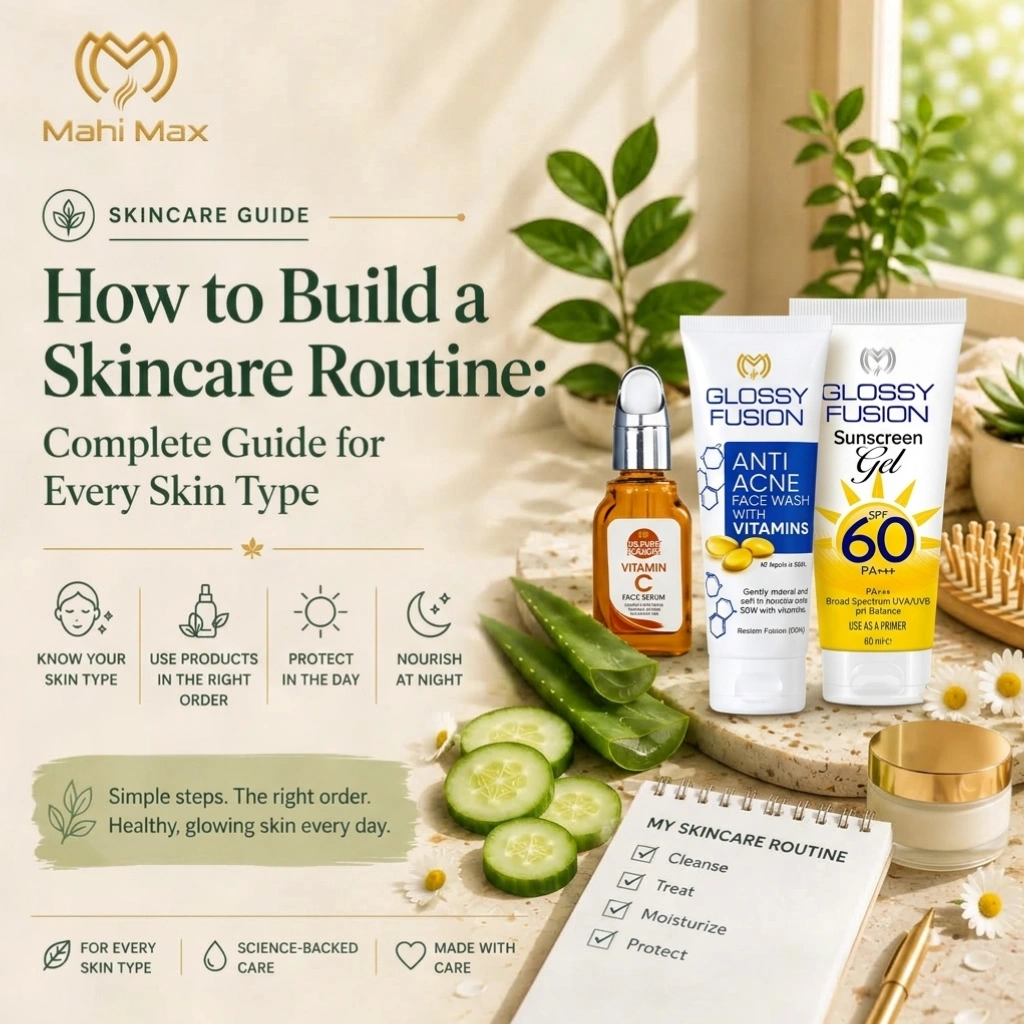
Gentle cleanser → moisturizer → sunscreen during the day
Once the skin feels comfortable again, you can gradually consider whether additional products are actually needed.
This is also where your existing skincare routine guide can be useful when deciding how to organize the basic steps of a routine.
Which Ingredients Can Support Dry and Dehydrated Skin?
There is no single ingredient that works for every person, but several commonly used ingredients can be helpful in moisturizing formulas.
Glycerin
Glycerin is a humectant that helps attract and retain water. It is commonly included in products designed for dry skin.
Hyaluronic Acid
Hyaluronic acid is another humectant commonly used in hydrating skincare. It can help the skin feel more hydrated and comfortable.
Shea Butter
Shea butter has a richer texture and can help soften rough, dry areas. It is often found in creams intended for more noticeable dryness.
Niacinamide
Niacinamide is a form of vitamin B3 used in many skincare formulas. It is often included in products designed to support the skin barrier and improve the appearance of uneven-looking skin.
Ceramides
Ceramides are naturally occurring lipids in the skin. Because they are part of the skin barrier itself, they are commonly included in products focused on barrier support.
The exact combination and concentration of ingredients matter, so it is better to consider the whole formula rather than choosing a product based on one ingredient alone.
How Does Moisturizer Fit Into Skin Barrier Care?
A moisturizer can be especially useful when your skin feels dry, tight, or uncomfortable.
Creams generally contain more oil than lotions and tend to provide a richer moisturizing effect. For people with dry skin, dermatologists often recommend creams or ointments rather than lighter lotions.
For example, Barrier Glow Moisturizing Cream contains ingredients including hyaluronic acid, niacinamide, glycerin, shea butter, aloe vera extract, vitamin C, and vitamin E. The product information states that it is intended for the face and neck and can be used in the morning and evening.
The important thing is not to assume that every moisturizer will work identically for everyone. Skin type, climate, current routine, and individual sensitivity all matter.
How to Build a Simple Skin Barrier-Friendly Routine
You do not need a ten-step routine to support your skin barrier.
Morning
- Cleanse gently if needed.
- Apply a hydrating or moisturizing product.
- Apply broad-spectrum sunscreen with SPF 30 or higher.
Evening
- Remove makeup or sunscreen.
- Cleanse gently.
- Apply moisturizer.
- Use treatment products only if they are appropriate for your skin and part of your routine.
If your skin is irritated, reducing the number of active products for a while may make the routine easier to tolerate.
For people already following a morning and evening routine, the goal is not necessarily to add another product. It is to make sure the basic steps are not working against the skin.
Common Skin Barrier Mistakes to Avoid
Some of the most common mistakes are surprisingly simple.
Using too many products: More products do not automatically mean better skin.
Changing products too often: Constantly switching products makes it difficult to understand what your skin actually responds to.
Scrubbing dry skin: Rough scrubbing can increase irritation when the skin is already sensitive.
Using very hot water: Hot water can contribute to dryness.
Skipping moisturizer because your skin is oily: Oily skin can still become dehydrated, and some acne treatments can also cause dryness. The AAD notes that people with acne may benefit from moisturizers, particularly when acne treatments cause dryness or irritation.
Forgetting sunscreen: Moisturizer does not replace sunscreen.
How Long Does Skin Barrier Repair Take?
There is no universal recovery time.
A mild problem caused by over-cleansing or excessive exfoliation may improve after simplifying the routine and avoiding the trigger. More persistent dryness or irritation can take longer and may have an underlying cause.
This is why it is better to focus on consistent, gentle care rather than expecting an overnight transformation.
If your skin continues to burn, sting, crack, bleed, itch severely, or develop a persistent rash, it is better to consult a dermatologist. The AAD notes that ongoing or severe dry skin can sometimes be associated with underlying conditions that require medical treatment.
When Should You See a Dermatologist?
Not every case of dry skin requires medical attention. However, persistent or severe symptoms should not simply be treated by adding more skincare products.
Consider professional advice if you experience:
- Persistent redness or inflammation
- Severe itching
- Painful cracking
- Bleeding
- Repeated burning or stinging
- A rash that does not improve
- Dryness that continues despite basic skincare
A dermatologist can help determine whether the problem is simple dryness or related to a skin condition that needs specific treatment.
Read This Also
Final Thoughts
The skin barrier is one of those skincare topics that sounds complicated at first but becomes much easier once you understand its basic role.
It helps the skin retain moisture and provides protection from the outside environment. Harsh cleansing, excessive exfoliation, hot water, environmental conditions, and unsuitable products can all contribute to dryness or irritation.
Supporting the barrier usually starts with simple habits: cleanse gently, moisturize regularly, avoid unnecessary irritation, protect your skin from the sun, and give new products time to show how your skin responds.
You do not necessarily need a longer skincare routine. In many cases, a simpler and more consistent routine is a better place to start.