Blog
How to Choose the Right Shampoo for Your Hair Type in Pakistan

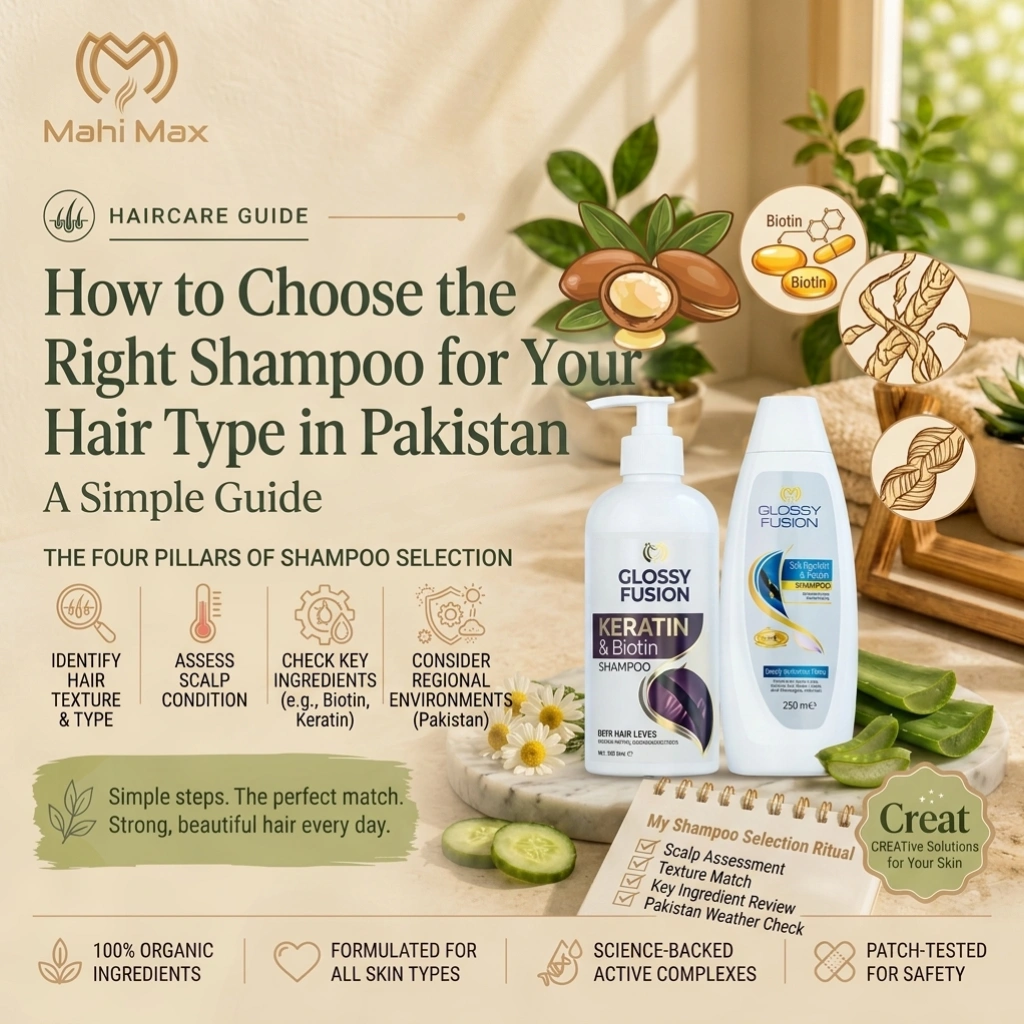
Choosing a shampoo becomes easier once you stop searching for one formula that works for everyone. Start with your scalp, identify your main concern, and then think about what your hair lengths actually need. Oiliness, dandruff, dryness, frizz, and damage each call for a different approach, and your shampoo should match the problem you are solving.
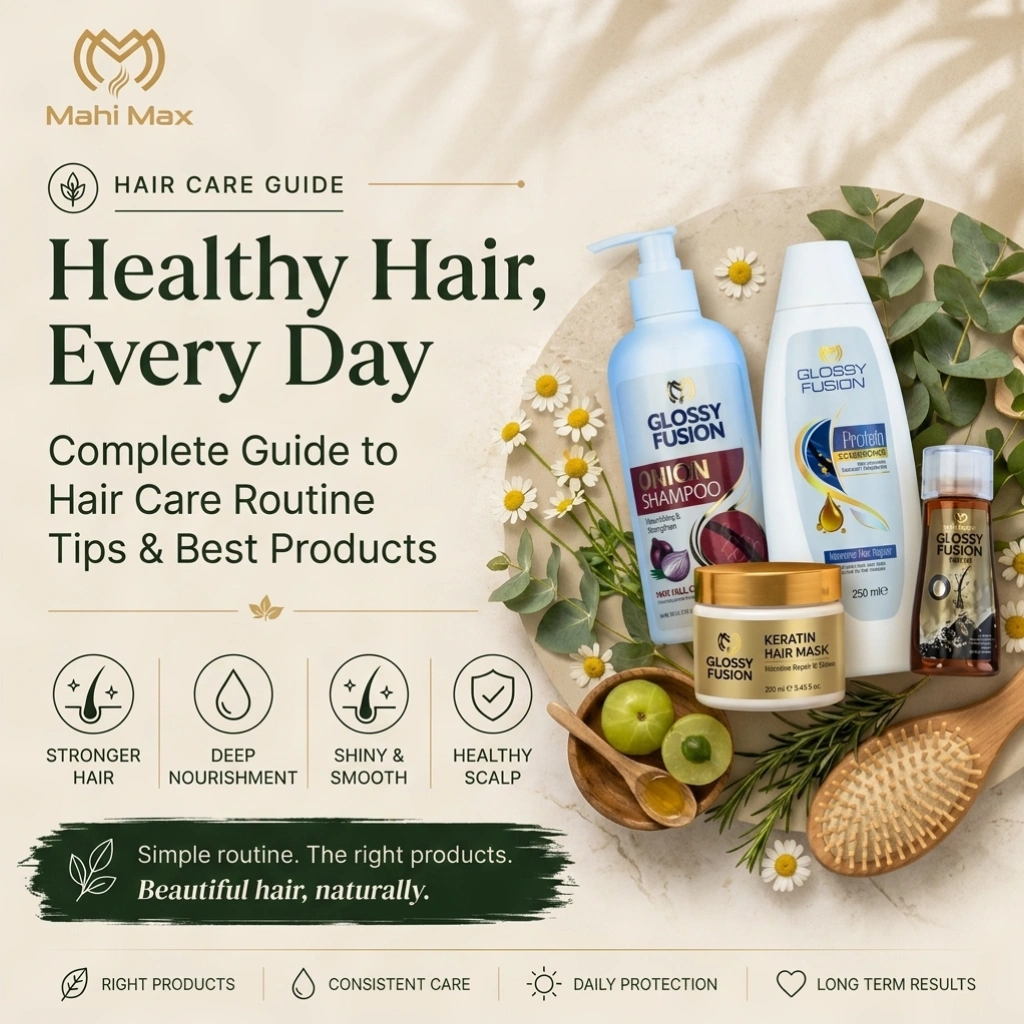
If you are wondering how to choose the right shampoo for your hair type in Pakistan, look at how quickly your roots turn oily, whether your scalp flakes or itches, and whether your hair feels dry, rough, or hard to manage after washing. These simple signals point you toward the right shampoo for your hair type before you buy anything. For a wider view of your routine beyond shampoo, our complete hair care routine guide walks through conditioning, oiling, and styling together.
Start With Your Scalp
Your scalp and hair lengths do not always share the same needs. You can have an oily scalp with dry ends, or a fairly balanced scalp paired with frizzy, damaged-looking lengths. Judging a shampoo by hair texture alone can miss this bigger picture entirely.
Think about oil, flakes, buildup, itching, and washing frequency first, then consider softness, frizz, roughness, and manageability. This simple two-step check makes it far easier to choose the right shampoo without buying several products at once and wasting money on formulas that do not match your concern.
Shampoo for Oily Scalp
An oily scalp can turn greasy quickly, especially after sweating or spending time outdoors in Pakistan's heat and dust. Styling products and natural sebum build up fast around the roots, making hair look flat and unwashed within a day.
Choose a shampoo for oily scalp that clears excess oil and buildup without stripping your lengths dry. You do not need the harshest cleanser on the shelf; a balanced formula paired with a suitable washing frequency does more good than an aggressive daily wash.
If oily roots come with visible flakes, a targeted scalp-care option works better than repeatedly washing with a generic everyday shampoo. Browse the Mahi Organics shampoo collection to compare formulas built for different hair and scalp needs before you commit to one bottle.
Shampoo for Dandruff and Flaky Scalp
Dandruff causes visible flakes and itching, and it is not simply a sign of poor hygiene. Causes range from oily skin to hair care habits and certain medical conditions, so the right anti dandruff shampoo targets the cause directly rather than just washing more often.
Mahi Organics includes an Anti Dandruff and Fungus Shampoo in its shampoo category for shoppers who need targeted scalp and dandruff care. The wider range also covers regular and specialized options, so you can match the formula to how severe your flaking actually is.
Dermatologists at the American Academy of Dermatology recommend choosing a dandruff shampoo with a proven active ingredient and following the label's contact time before rinsing it out. For persistent, painful, or worsening scalp symptoms, professional advice works better than cycling through shampoos on your own.
Shampoo for Dry and Damaged-Looking Hair
Dry hair needs a different approach from a very oily scalp. Heat styling, chemical treatments, sun exposure, and naturally dry textures all leave lengths feeling rough, brittle, and harder to manage after every wash.
Look for a cleansing formula that also delivers real conditioning support. The Keratin & Biotin Shampoo from Mahi Organics is formulated with hydrolyzed keratin, Biotinoyl Tripeptide-1, shea butter, lanolin, and oleanolic acid, and its description positions it for weak, dry, and damaged-looking strands.
Shoppers asking which shampoo is good for dry and damaged hair should check the full ingredient list and usage directions before switching, since conditioning actives work best when applied correctly and paired with a suitable rinse-out conditioner.
Shampoo for Frizzy Hair
Frizz becomes more noticeable the moment hair turns dry, rough, or difficult to manage. Humidity makes the effect worse, which matters for anyone dealing with hot, humid stretches of weather across parts of Pakistan each year.
If frizz is your main concern, choose a shampoo built around smoothing and conditioning rather than an oil-control formula picked only because your roots feel greasy. A gentle rinse routine and sensible drying habits matter just as much as the shampoo itself.
Mahi Organics offers a Salon Silk Shampoo for Frizzy Hair for smoother, more manageable-looking strands. Pairing it with a leave-in hair serum for dry, frizz-prone hair after washing locks in extra softness between wash days.
How Often Should You Shampoo?
There is no single washing schedule that suits every hair type. Fine or straight hair and oily scalps often need more frequent washing, while coarse, curly, or dry hair usually needs less frequent cleansing to avoid stripping natural oils.
Watch what happens between washes. Greasy roots, buildup, or scalp discomfort signal that you need to wash sooner, while ongoing dryness, roughness, or irritation usually means you need a gentler formula or a longer gap between washes.
Board-certified dermatologists at the American Academy of Dermatology note that wash frequency should follow your hair type rather than a fixed calendar, and their guide to everyday hair habits covers washing frequency along with other practical hair care tips.
How to Choose the Right Shampoo Without Overcomplicating Your Routine
- Identify your main scalp concern first: oiliness, dandruff, dryness, or buildup.
- Consider the condition of your hair lengths separately from your scalp.
- Choose one main shampoo that matches your biggest concern.
- Follow the product directions instead of assuming more product works better.
- Add a conditioning step when your lengths need more moisture.
- Give a routine enough time to judge comfort before constantly switching products.
Can You Use More Than One Shampoo?
You can use different shampoos for different needs without building a complicated routine. Someone with recurring dandruff, for example, might use a targeted anti dandruff shampoo on some days and a regular shampoo on the others.
If you alternate products, keep an eye on your scalp and hair. Doing so makes it easier to tell whether a formula helps your main concern or quietly adds to dryness or buildup. Curly or very dry hair often reacts to dandruff shampoos by drying out further, so focus treatment on the scalp rather than the full length.
Common Shampoo Mistakes to Avoid
- Choosing a shampoo only because it is popular instead of matching it to your scalp.
- Scrubbing the scalp aggressively with your fingernails instead of massaging gently.
- Skipping conditioner on dry or damaged lengths because the shampoo already feels rich.
A Simple Hair-Washing Routine for Pakistan
Heat, sweating, dust, humidity, and seasonal dryness all affect how your scalp and hair feel day to day. Your routine can shift with the weather and your lifestyle rather than staying identical all year round.
- Wet your hair thoroughly with clean water.
- Apply shampoo mainly to the scalp and massage gently with your fingertips.
- Let the lather cleanse the scalp without aggressive scrubbing.
- Rinse thoroughly so no product remains on the scalp.
- Apply conditioner to the lengths when needed.
- Adjust your washing frequency as sweating, buildup, or dryness changes.
When Should You See a Dermatologist?
Dandruff-like symptoms can sometimes overlap with other scalp conditions, including seborrheic dermatitis, psoriasis, eczema, or fungal infections. A dermatologist's diagnosis helps you land on the right treatment instead of guessing with store-bought shampoo for months on end.
Final Thoughts
Learning how to choose the right shampoo for your hair type becomes far easier once you focus on your scalp first and then consider your hair length's condition. Oily and flaky scalps need a different approach from dry, damaged-looking, or frizzy hair.
Mahi Organics' shampoo category covers dandruff, frizz, and dry or damaged-looking hair, so you can shop by your main concern rather than guessing. Pair your pick with a complete hair care routine for the most noticeable, lasting results.
The best routine keeps your scalp comfortable, your hair manageable, and your steps simple enough that you actually stick with them through Pakistan's shifting seasons.
FAQs
How do I choose the right shampoo for my hair type?
Start with your scalp concern, then consider your hair texture and condition. Choose a formula that matches your main need, whether that is oil control, dandruff care, dryness, frizz, or everyday cleansing.
Which shampoo is best for oily scalp?
Pick a shampoo that removes excess oil and buildup without leaving the hair uncomfortably dry. Your washing frequency matters too, especially after heavy sweating or long days outdoors.
Which shampoo is good for dry and damaged hair?
Look for a cleansing formula with real conditioning support and avoid aggressive washing. Keratin and other conditioning ingredients help, depending on the complete formula.
How do I choose shampoo for dandruff?
Pick a shampoo designed specifically for dandruff and follow its directions closely. If the problem persists, consult a dermatologist rather than switching shampoos repeatedly.
Can I use different shampoos for different concerns?
Yes. Many people alternate a targeted scalp-care shampoo with a regular cleansing shampoo and monitor how their scalp and hair respond over time.
Is rosemary shampoo good for regular hair care?
Rosemary shampoo can suit a regular routine if you prefer rosemary-based products, but it is not a replacement for medical treatment when scalp issues persist.